What Can You Make in an Ice Cream Machine?
An ice cream machine can make traditional ice cream, gelato, sorbet, sherbet, frozen yogurt, soft serve, granita, and even frozen cocktails or slushies. The key is the churning action, which breaks up ice crystals while incorporating air to produce a smooth, scoopable texture. Capacity varies widely across machines, so the batch size you can make in one go depends on the model you own.


Classic Ice Cream and Soft Serve
Standard ice cream is the most obvious use, and any home machine handles it well. You pour a chilled custard or cream base into the bowl, run the machine for 20 to 40 minutes, and transfer the churned mixture to the freezer to firm up. Soft serve is simply ice cream pulled from the machine before that final hardening step, so the texture stays looser and lighter. A machine like the Whynter ICM-200LS, rated 4.5 stars across 4,558 reviews and priced at $269.99, holds 2.1 quarts, which is enough for six to eight generous servings in a single batch. Because it uses a built-in compressor, you can run back-to-back batches without waiting for a bowl to refreeze.
Gelato
Gelato differs from ice cream in two main ways: it uses more milk than cream, and it churns more slowly to incorporate less air. The result is a denser, silkier product. Most home machines can produce a decent gelato simply by using a milk-heavy base and letting the machine run at its normal speed. The Cuisinart ICE-100, rated 4.6 stars from 2,944 buyers at $379.95, is a compressor machine with a 1.5-quart bowl, a size that suits the richer, denser nature of gelato batches. The smaller capacity also means the base chills faster, which helps preserve the tighter texture gelato is known for.
Sorbet and Fruit Ice
Sorbet contains no dairy at all, just fruit puree or juice, water, and sugar. Because it freezes harder than cream-based mixes, churning is especially important to keep the texture smooth rather than icy. You can make sorbet from almost any fruit: mango, raspberry, lemon, watermelon, or combinations of several. The sugar content matters more than it does with ice cream because sugar lowers the freezing point and controls how firm the final product gets. A standard home machine handles sorbet the same way it handles ice cream, and most recipes are ready to churn in under 30 minutes once the base is chilled.
Sherbet and Frozen Yogurt
Sherbet sits between sorbet and ice cream: it includes a small amount of dairy, usually milk or cream, which gives it a slightly richer mouthfeel than pure sorbet while staying much lighter than full ice cream. Frozen yogurt works the same way as ice cream in the machine, just with yogurt as the base instead of cream. The tartness level depends entirely on the yogurt you use, and you can adjust sweetness with honey, sugar, or fruit. Because yogurt already has a stable texture, it churns quickly and often reaches the right consistency in 20 minutes or less.
Frozen Cocktails and Slushies
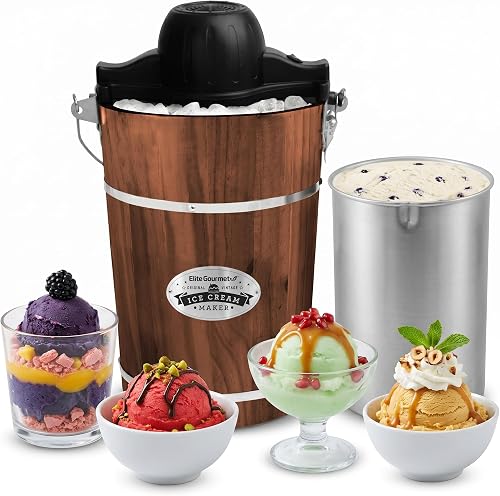
Alcohol lowers the freezing point of a mixture, so frozen cocktail bases take longer to set up than non-alcoholic ones and often come out softer. Margaritas, daiquiris, and frose all work in a home ice cream machine, though you may need to keep the alcohol content moderate or the base will never fully firm. Slushies and granitas, which have a deliberately coarser, icier texture, can also be made by running a lightly sweetened juice base and stopping the machine before it gets too smooth. The Elite Gourmet EIM949, rated 4.4 stars across 3,485 reviews at $89.99, holds 6 quarts, making it a practical choice for larger batches of party-sized slushies.
Dairy-Free and Vegan Frozen Desserts
Coconut milk, oat milk, cashew cream, and almond milk all churn into workable frozen desserts in a standard ice cream machine. The fat content of the base determines how creamy the result is: full-fat coconut milk produces the richest texture, while thinner plant milks tend to freeze icier. Adding a small amount of a neutral oil or a starch like arrowroot can help smooth out the texture in lower-fat bases. The process and timing are nearly identical to dairy ice cream, so no special settings or attachments are required.
Common mistakes to avoid
- Not chilling the base long enough before churning. Warm or room-temperature bases churn slowly and often produce a grainy, icy result. Most recipes recommend at least four hours in the refrigerator, and overnight is better.
- Overfilling the bowl. Ice cream expands as air is incorporated, sometimes by 25 to 50 percent. Filling the bowl more than halfway is a reliable way to overflow the machine mid-cycle.
- Skipping the pre-freeze step on freezer-bowl machines. If the insert is not fully frozen solid, usually after at least 24 hours in the freezer, the machine will not get cold enough to churn properly.
- Adding mix-ins too early. Chocolate chips, nuts, and fruit pieces should go in during the last two to three minutes of churning. Added too soon, they get pulverized by the paddle.
- Pulling the ice cream straight from the machine and serving it immediately. Freshly churned ice cream is too soft to scoop cleanly. A two-hour stay in the freezer lets it firm to a proper scoopable consistency.
- Using too much alcohol in frozen cocktail bases. More than about 20 percent alcohol by volume in the base will prevent it from setting up, since alcohol stays liquid at the temperatures a home machine can reach.
Frequently asked questions
Can I make sorbet without any dairy in a regular ice cream machine?
Yes. Sorbet is entirely dairy-free, made from fruit puree or juice, water, and sugar. A standard home ice cream machine churns sorbet the same way it churns ice cream. The main adjustment is the sugar level, since sugar controls how hard the sorbet freezes and higher sugar keeps it scoopable rather than rock solid.
How long does it take to make ice cream in a home machine?
The actual churning step usually takes 20 to 40 minutes depending on the machine and the richness of the base. However, the base itself needs to be fully chilled first, which adds four hours to overnight. Total time from mixing the base to serving a scoopable product is typically at least six hours, mostly hands-off waiting.
Can you make gelato in a regular ice cream machine?
Yes, with some adjustments to the recipe. Gelato uses a higher ratio of milk to cream compared to American ice cream, and it benefits from a slightly slower churn to limit air incorporation. Standard home machines run at a fixed speed, so the main change is using a milk-heavy base rather than a cream-heavy one. The result will be denser and richer than typical ice cream.
What size machine do I need to make ice cream for a crowd?
For a party of eight or more, a machine with at least a 4-quart capacity is practical. The Elite Gourmet EIM949 holds 6 quarts at $89.99 and carries a 4.4-star rating from over 3,400 buyers, making it a well-reviewed option for larger batches. Keep in mind that traditional hand-crank machines at this size require ice and rock salt, while compressor models cost more but do not need pre-freezing.
Is it possible to make frozen yogurt in an ice cream machine?
Yes. Frozen yogurt works exactly like ice cream in the machine: pour the chilled yogurt base into the bowl and churn until it reaches soft-serve consistency. Full-fat yogurt produces a creamier result than fat-free versions. You can sweeten it with honey or sugar and add fruit before churning or as a mix-in near the end of the cycle.