Are Air Poppers Healthier Than Microwave Popcorn?
Plain air-popped popcorn has fewer calories and no added oils or preservatives. Here is what actually changes when you ditch the microwave bag.
Popcorn is one of the most naturally nutritious snack foods around. A whole grain with real fiber, it gets into trouble mainly because of what goes into the bag with it. Microwave popcorn packs are convenient, but they come with added fats, sodium, and a list of ingredients that can be hard to decode. An air popper uses only hot circulating air to pop the kernels, so nothing extra ends up in your bowl unless you put it there. This guide breaks down the real nutritional differences, where air poppers win, and where the comparison gets more nuanced.


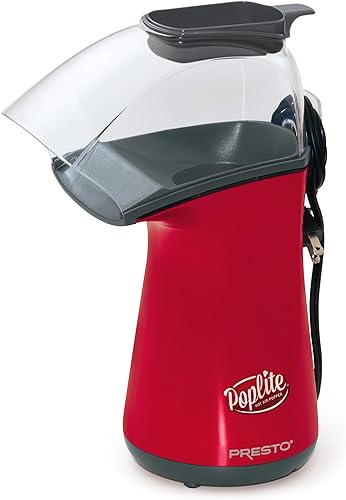
How an Air Popper Works
An air popper forces a stream of very hot air through a chamber loaded with dry kernels. The heat builds moisture pressure inside each kernel until it pops and is blown into a bowl. No oil is involved at any stage of the process. The whole cycle from cold kernels to a full bowl typically takes two to four minutes. Because there is no oil bath, the kernels cannot scorch, and cleanup is almost nothing. You rinse the chute and wipe the chamber. Popular home models like the Presto 04830 (3 qt capacity, around $22) and the Elite Gourmet EPM330M (3 qt, around $26) follow this same basic design. Neither needs butter, oil, or any flavoring packet to operate.
How Microwave Popcorn Works
A microwave popcorn bag is a self-contained cooking vessel. The kernels sit in a layer of oil or shortening and a flavoring blend, sealed in a bag engineered to trap steam and heat. As the bag heats up, the fat melts and coats the kernels even before they pop. The result is popcorn that already has a significant amount of fat, salt, and often butter flavoring baked in before you open the bag. Serving sizes on the packaging are usually about one-third of the bag, so it is easy to consume two or three times the listed nutrition facts in one sitting.
The Calorie and Fat Comparison
Plain air-popped popcorn contains about 30 calories and 0.3 grams of fat per cup. A cup of popcorn from a standard butter microwave bag typically runs 35 to 55 calories and 2 to 4 grams of fat per cup, depending on the brand, and the numbers climb further for "movie theater butter" varieties. Over three cups, the difference between air-popped and a buttered microwave variety can reach 60 to 100 extra calories and 6 to 12 extra grams of fat. For someone eating popcorn several nights a week, that gap adds up. Light and "natural" microwave bags close the gap somewhat, but they still contain more fat than plain air-popped corn.
Sodium and Additive Differences
Sodium is the second area where microwave bags diverge from plain air-popped corn. An unseasoned air-popped cup has essentially zero sodium. Standard microwave varieties range from 100 to 300 mg per serving, and a full bag can deliver 600 mg or more. The ingredient list on microwave bags commonly includes partially hydrogenated or fractionated palm oil, artificial butter flavor, citric acid, and preservatives like TBHQ. Air-popped corn straight from the machine has one ingredient: popcorn. You control every topping you add. A light mist of olive oil and a pinch of sea salt is a popular choice that still comes in well below what a microwave bag delivers.
Where Microwave Popcorn Can Hold Its Own
Not every microwave popcorn bag is loaded with extras. Several brands now sell plain microwave bags that contain only kernels and a small amount of sunflower or coconut oil, with no added sodium and no artificial flavors. These close the health gap considerably compared to buttered varieties. Microwave corn also requires zero equipment investment and zero counter space, which matters for people in small kitchens or dorm rooms. If you choose one of these simpler microwave options and practice portion control, the health difference compared to air-popped corn shrinks to a modest fat difference rather than a dramatic one.
Cost Per Bowl Over Time
A bag of plain popcorn kernels typically costs $3 to $5 for two to three pounds, which pops into a significant number of bowls. Bulk kernel popcorn costs roughly $0.10 to $0.20 per large serving. Standard microwave bags run $0.50 to $1.00 per bag for a single serving. Over a year of weekly snacking, the kernel cost advantage can cover the price of a basic air popper many times over. Entry-level air poppers start around $15 to $35, so payback is fast if you make popcorn more than once or twice a month. A model like the Presto Popcorn Popper (4.5 qt capacity, around $31 for over 54,000 reviewers) is a one-time purchase that replaces a recurring packaged-goods expense.
Flavor and Customization
Plain air-popped popcorn has a lighter, less oily texture than microwave corn. Some people love that clean bite. Others find it bland right out of the machine. The good news is that you have full control. A light drizzle of melted butter or coconut oil followed by nutritional yeast, smoked paprika, cinnamon sugar, or grated parmesan all stick well because the popcorn is still hot from the machine. You can go completely salt-free for a low-sodium diet, or season aggressively for a movie night. No microwave bag gives you that level of flexibility. With air-popped corn, every batch can taste different if you want it to.
Frequently asked questions
Is air-popped popcorn really healthier than microwave popcorn?
For most mainstream microwave bags, yes. Air-popped corn contains no added fat, no sodium, and no artificial ingredients. Buttered microwave varieties add meaningful amounts of fat and salt before you even open the bag. The comparison is closer if you choose a plain, oil-light microwave option.
Do air poppers use any oil at all?
No. Air poppers pop kernels using only hot moving air. No oil is required or used inside the machine. You can drizzle or spray oil on the finished popcorn if you want, but that is entirely optional and fully under your control.
How long does an air popper take to make popcorn?
Most countertop air poppers take two to four minutes from cold start to a finished bowl. That is roughly the same time as a microwave bag, with no need to babysit it or stop and start the microwave to check for burning.
Can I add butter to air-popped popcorn?
Absolutely. Many air poppers have a built-in butter melting cup on top of the chute that drizzles melted butter over the popcorn as it pops. You can also melt butter separately and toss it in after. Either way you control exactly how much goes in.
Are there any downsides to an air popper compared to microwave popcorn?
Air poppers take up counter or cabinet space, and you need to buy and store bulk kernels separately. They also tend to produce lighter, less coated popcorn straight out of the machine, so if you want rich buttery flavor you still have to add toppings yourself. For convenience and flavor payoff with zero effort, a good microwave bag has an edge.