Why Is My Slow Cooker Food Watery?
Excess liquid in your slow cooker is almost always caused by one of a handful of fixable mistakes, not a broken machine.
You pull the lid off after eight hours, and instead of a rich, thick stew you find a watery pot of disappointment. This is one of the most common slow cooker complaints, and the good news is that it almost never means something is wrong with your appliance. The causes come down to how slow cookers work physically, and once you understand them the fixes are straightforward. A few small adjustments to your ingredients and technique will make a noticeable difference on your very next cook.

Slow Cookers Trap Steam, Which Adds Liquid
A conventional oven or stovetop pot lets steam escape as food cooks, which concentrates the liquid and thickens the final dish. A slow cooker is sealed with a tight-fitting lid, so that steam condenses on the underside of the lid and drips right back into the pot. Over a six to eight hour cook, this recycling effect can add a surprising amount of extra liquid to what you started with. There is no design flaw here, it is simply how the appliance functions. Understanding this is the first step, because it changes how you should measure liquid when you build a recipe.
You Are Adding Too Much Liquid at the Start
Most traditional recipes were written for stovetop or oven cooking, where liquid reduces significantly during the cook time. When you use the same measurements in a slow cooker, you end up with far more liquid at the end than the recipe intended. A practical rule is to reduce any recipe's liquid by about one third when converting it to slow cooker use. Broth, water, wine, and canned tomatoes all count toward your total. If a recipe says two cups of broth, start with one and a quarter cups and check consistency toward the end of the cook.
Frozen or High-Water Vegetables Release Extra Moisture
Vegetables like zucchini, mushrooms, tomatoes, and spinach hold a lot of water that releases as they cook. Frozen vegetables are even worse because the ice crystals in them melt directly into your dish. If you add a large quantity of these ingredients without accounting for the moisture they carry, the result is a noticeably thinner dish. Thaw frozen vegetables and pat them dry before adding them, and consider reducing your added liquid further when your recipe is heavy on high-moisture produce. Roasting watery vegetables in the oven for ten minutes before adding them to the slow cooker also drives off excess moisture and deepens their flavor.
Meat Releases Juices During a Long Cook
A large cut of chicken thighs, pork shoulder, or beef chuck will shed a considerable amount of juice over several hours of low heat. This is natural and unavoidable, but it does mean you need to plan for it. When cooking bone-in chicken pieces or a roast, you often need no added liquid at all beyond the sauce or aromatics in your recipe. The meat will create its own braising liquid as it cooks. Starting with a dry-rubbed roast and a half cup of broth is often enough to produce a well-braised result without a watery pot.
How to Thicken the Liquid If It Is Already Too Thin
If you lift the lid and the liquid is thinner than you want, there are a few quick fixes. The simplest is to remove the lid for the last thirty minutes and turn the cooker to high, which lets some moisture evaporate. You can also mix one tablespoon of cornstarch with an equal amount of cold water and stir it into the pot, then cook on high for fifteen minutes until the sauce thickens. A third option is to remove one cup of the liquid, whisk in a tablespoon of flour, and return the mixture to the pot. Any of these will rescue a watery dish without significantly changing its flavor.
Lid Fit and Cooking Temperature Both Matter
A cracked or poorly sealing lid allows steam to escape in the wrong direction, but it can also let in condensation from a drafty countertop and affect cooking consistency. More commonly, using the high setting for a very long cook contributes to both over-softened ingredients and more liquid accumulation than a low-and-slow approach. Most braises and stews benefit from the low setting for six to eight hours rather than high for three to four, as the gentler heat keeps proteins from seizing and expelling juices aggressively. If your model has a warm setting that activates automatically, make sure it kicks in before the contents begin to overcook and weep additional liquid.
A Few Slow Cooker Features That Help With Liquid Control
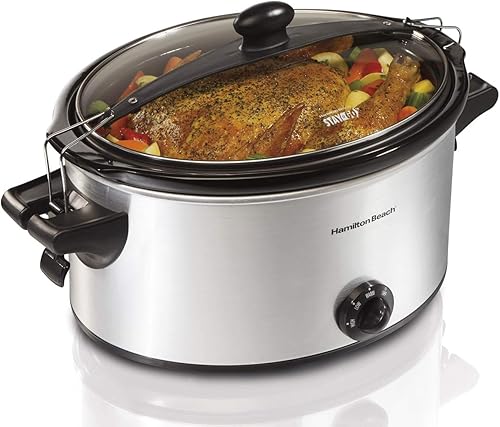
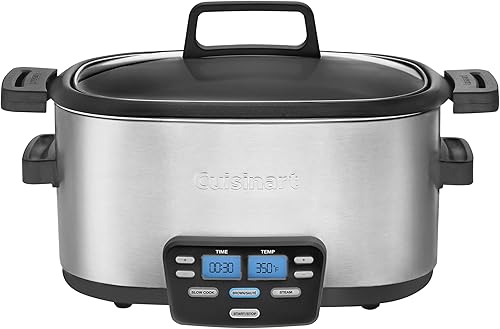
Some slow cookers make liquid management easier through their design. The Cuisinart MSC-600NAS, rated 4.4 stars across 6,600 reviews and priced around $151, doubles as a saute pan, so you can reduce sauce on the stovetop in the same vessel before or after the slow cook. The Elite Gourmet MST-900D holds 8.5 qt and has earned 4.4 stars from 6,400 reviewers, giving you more room to spread out large cuts of meat without trapping extra liquid underneath them. For everyday family-sized meals, the Hamilton Beach 33262 at $67.70 with a 4.6-star rating from over 800 reviewers offers a straightforward 6 qt capacity that is easy to fill at the right level. Whichever cooker you use, consistent liquid control comes from technique first and the machine second.
Frequently asked questions
Should I ever add water to a slow cooker recipe?
Only if the recipe has very little sauce or no high-moisture ingredients. Many pot roast and chicken recipes need no added water at all because the meat and vegetables release enough liquid on their own. When in doubt, start with less than you think you need, since you can always add a small splash of broth later if things look too dry.
Can I leave the lid off to reduce liquid in a slow cooker?
Yes, removing the lid and turning the heat to high for the last twenty to thirty minutes is the most practical way to reduce excess liquid directly in the cooker. It works best when you have at least half a cup of extra liquid to drive off. Just watch it closely since slow cookers do not reduce liquid quickly, and you do not want to dry out the food entirely.
Why does my slow cooker produce more liquid than my old one did?
Lid fit varies between models, and a tighter-sealing lid traps more steam and returns more condensation to the pot. A larger capacity cooker also tends to produce more total liquid because there is more surface area for moisture to collect and drip from. Adjust your starting liquid downward by a few tablespoons when switching to a new or larger model.
Does browning meat before slow cooking reduce watery results?
Browning meat in a skillet before adding it to the slow cooker does help in two ways. The Maillard reaction seals some surface proteins, which slows juice release slightly, and it evaporates some surface moisture before the long cook begins. It also adds deeper flavor to the final dish. It is not essential for every recipe, but for dishes where you want a richer, thicker sauce it is worth the extra five minutes.
Is watery slow cooker food a sign that something is wrong with the appliance?
Almost never. A slow cooker that produces watery results is almost always reflecting a recipe or technique issue rather than a mechanical problem. The only hardware issue worth checking is whether the lid seals evenly and is not cracked, since a broken lid can cause uneven steam behavior. Beyond that, the fixes are all in how you build the recipe.