Do You Need to Sear After Sous Vide?
Sous vide gets the inside perfect every time. Here is what a post-cook sear actually adds, and when you can skip it.
Sous vide cooks food to a precise internal temperature from edge to edge, which is exactly what makes it so reliable. But when you pull a steak or chicken breast out of the water bath, it looks pale and unappetizing. That is where a lot of home cooks ask the same question: do you actually have to sear it? The short answer is no, it is not required. The longer answer is that a quick sear after sous vide adds things the water bath cannot, mainly crust, color, and flavor. Whether that matters depends on what you are cooking and what you want on your plate.


What Sous Vide Does and Does Not Do
A sous vide machine circulates heated water around a sealed bag, holding the food at a steady target temperature for a set amount of time. The result is protein that is cooked evenly all the way through, with no gray band of overcooked meat around the edges. What it cannot do is create the browned, slightly crispy exterior most people expect from a steak, pork chop, or chicken thigh. That browning comes from the Maillard reaction, a chemical process that requires surface temperatures well above 300 degrees Fahrenheit. A water bath topped out at 140 degrees for a medium steak never gets close to that range. So the water bath handles the interior, and a fast high-heat sear handles the surface.
Why a Sear After Sous Vide Makes a Real Difference
A proper sear does three things at once. First, it builds a crust with a distinctly different texture from the tender interior, which makes each bite more interesting. Second, it produces the deep brown color people associate with a well-cooked piece of meat. Third, and most importantly, it creates dozens of new flavor compounds through the Maillard reaction that simply do not develop at sous vide temperatures. Without a sear, a sous vide steak can taste a little flat, even when the texture is flawless. If you are cooking something where crust and exterior flavor matter, like a ribeye, pork chop, or duck breast, the sear is worth doing.
When You Can Skip the Sear
There are plenty of situations where a post-sear is unnecessary. Fish fillets, especially delicate ones like cod or halibut, can fall apart during a hard sear and often taste better straight from the bag. Chicken intended for salads, sandwiches, or tacos does not need a crust. Vegetables cooked sous vide, such as carrots or beets, are usually finished with a glaze or served as a side where the appearance does not call for browning. Eggs cooked sous vide, whether soft-boiled style or in the shell, go straight to the plate. For these foods, the sear step adds work without adding much value.
How to Get a Good Crust Without Overcooking
The biggest risk with a post-sear is pushing the internal temperature past your target while you are trying to brown the outside. A few simple steps prevent that. First, pat the food completely dry before it hits the pan. Moisture on the surface steams instead of browns, which slows the crust and means more time over heat. Second, use a very hot pan, cast iron or stainless steel work best, with a high smoke-point oil. Third, keep the sear short: 45 to 90 seconds per side is usually enough for a steak. You are only browning the surface, not cooking the interior at all. Some cooks chill the food briefly before searing to give themselves more of a buffer. It is an optional step but helpful for thick cuts.
Other Finishing Options Besides Pan Searing
A cast iron pan is the most common finishing method, but it is not the only one. A very hot grill gives steaks and chops grill marks and a light smoky note you cannot get indoors. A kitchen torch lets you brown the surface directly without heating the pan at all, which some cooks prefer for fish or when working with smaller portions. Broiling works in a pinch but is harder to control. Deep frying the exterior at high temperature is a less common but effective technique for chicken and pork. Each method produces a slightly different exterior, so the best choice depends on the texture and flavor you are going for.
Practical Tips for a Better Post-Sear Result
A few habits consistently improve the result. Use butter during the last 30 seconds of the sear and baste the top of the meat as the pan side browns, which adds richness and helps color develop fast. Add aromatics like a smashed garlic clove or a sprig of thyme to the pan at the same time for extra flavor. If the food came out of the bag with liquid, pour it off into a small pan and reduce it for a quick sauce. Season the exterior right before searing, not while the food is in the bag, if you want a crispier crust. Finally, rest the food for a minute or two on a wire rack rather than a plate so the bottom does not steam and soften.
Matching Your Sous Vide Machine to the Task
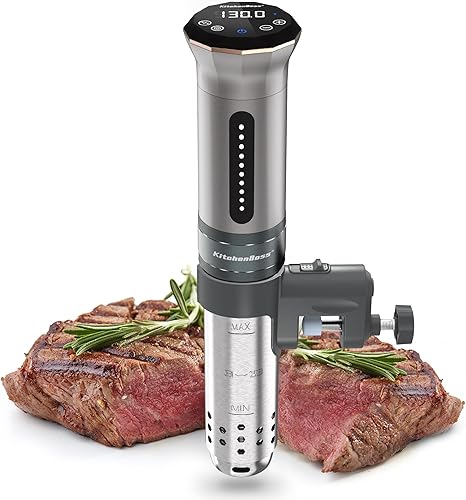
A reliable circulator makes the whole process easier. The Monoprice 121594 runs at 800 watts with a stainless steel and black finish and touch controls, and at $65.43 it is one of the more affordable options with over 650 reviews and strong buyer demand. The KitchenBoss G300 steps up to 1100 watts, handles up to 16.9 quarts, and has earned 4.5 stars across more than 2,200 reviews at $105.99. If you want app control added to the mix, the Yedi Houseware GV024 runs at 1000 watts, weighs just 3 pounds, and holds a 4.6-star average from over 1,300 buyers at $88.94. Any of these gives you the temperature precision that makes sous vide worth doing, and none of them affect whether you sear. That part is always up to you.
Frequently asked questions
Does sous vide meat need to be seared?
No. Sous vide meat is fully cooked and safe to eat straight from the bag. A sear adds crust and browned flavor but is not required for food safety or doneness.
How long should I sear a sous vide steak?
About 45 to 90 seconds per side in a very hot pan is usually enough. The goal is browning the surface, not adding more internal cook time, so keep it brief.
Why does my sous vide steak look gray and unappetizing?
Sous vide temperatures are too low to trigger the Maillard reaction, which is what creates browned color on meat. A quick sear in a hot pan fixes that in under two minutes.
Can I sear before sous vide instead of after?
You can, and some cooks do it to add a smoky note or kill surface bacteria before bagging. However, searing after sous vide produces a better crust because the surface is drier and the timing is easier to control.
What oil should I use for searing sous vide meat?
Use a high smoke-point oil like avocado oil, refined vegetable oil, or grapeseed oil. Butter burns quickly at searing temperatures, but you can add it during the last 30 seconds and baste the meat for extra richness.