How to Make Popcorn Without Oil
A hot-air popper is the simplest way to make oil-free popcorn at home, and the process takes under five minutes from start to finish.
Oil-free popcorn is not a compromise. When you use a hot-air popper, moving heated air does the work that oil normally does, circulating around each kernel until pressure builds and it pops. The result is lighter, lower-calorie popcorn with a clean corn flavor that toppings can actually shine through. You do not need any special skills or expensive equipment to get consistent results.


How a Hot-Air Popper Works
A hot-air popper uses a heating element and a fan to push very hot air, typically around 400 degrees F, through a popping chamber. As the air circulates, the moisture inside each kernel turns to steam, pressure rises, and the kernel bursts through its hull. Because there is no oil involved, kernels pop dry and land lighter than stovetop batches. The cycle from cold kernels to finished popcorn runs about two to three minutes in most countertop models. There is nothing to stir, no pan to watch, and no risk of scorching the bottom layer.
Choosing the Right Popper for Oil-Free Results
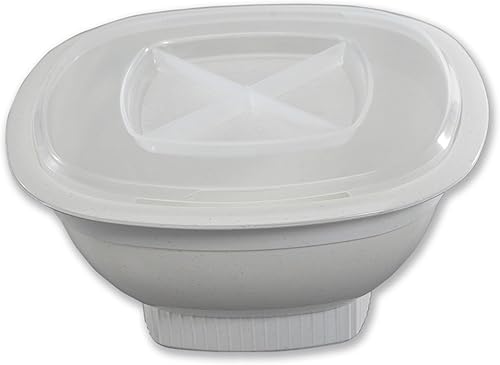
Not every popcorn popper is built for air-popping. You need a model with a dedicated hot-air chamber and a vent or chute to move popped corn out of the heat path, otherwise it sits in a hot chamber and can scorch. The Presto 04830 has a 3 qt capacity, is rated 4.5 stars across more than 4,100 reviews, and sells for around $22. The Elite Gourmet EPM330M also holds 3 qt, earns 4.2 stars from over 7,200 reviewers, and comes in under $26. The Nordic Ware 60120 is a microwave bowl-style option at 3 qt capacity, 4.6 stars from about 1,400 reviewers, and only around $15. Any of these gives you reliable oil-free popping without a large investment.
Kernel Type and Quantity Matter
Yellow mushroom kernels are the standard for most poppers and produce large, round pieces that hold toppings well. White butterfly kernels are more tender and pop a bit smaller, which some people prefer for snacking plain. For a standard 3 qt air popper, start with 1/4 cup of kernels per batch. Most compact poppers are designed around that amount, and overfilling slows airflow and leaves you with more unpopped kernels. Old or stale kernels have lost moisture and will not build enough steam pressure to pop fully, so store your kernels in a sealed container away from heat.
The Popping Process Step by Step
Place the popper on a flat surface with the chute or vent aimed at a large bowl. Measure your kernels and add them to the popping chamber before turning the machine on. Switch the unit on and let it run without interruption, shaking or stirring is not necessary and removing the lid early lets heat escape. Listen for the popping to slow to one or two pops per second, which means the batch is almost done. Turn off the machine at that point to avoid burning the last few kernels. The whole process takes two to three minutes, and the bowl fills quickly once the first kernels start flying.
Adding Flavor Without Oil
Plain air-popped popcorn does not have a coating for seasoning to stick to, so fine-grind spices work better than coarse ones. Nutritional yeast gives a savory, slightly cheesy flavor and sticks reasonably well to warm popcorn fresh from the popper. A light mist of water from a spray bottle just before adding salt or seasoning helps the powder adhere without adding any oil. Cinnamon and a pinch of sugar work well for a sweet version. For buttery flavor without liquid butter, a small amount of clarified butter spray applied right after popping is one option, though the popcorn stays calorie-friendly without it.
Common Problems and How to Fix Them
Too many unpopped kernels usually means the popper is overfilled or the kernels are old. Cut back to 1/4 cup and make sure your kernel supply is fresh. Popcorn that comes out chewy or dense often means the batch ran too long after most kernels popped, allowing steam from earlier pops to soften the rest. Cut the machine off as soon as popping slows. If your popcorn tastes bitter or has a burnt smell, the chamber may have residue from a prior batch. A quick wipe of the inside with a dry cloth between uses keeps flavors clean. Always check your specific model for cleaning guidance.
Frequently asked questions
Can I use any popcorn popper to make popcorn without oil?
You need a hot-air style popper specifically, not a kettle machine or a stovetop model designed for oil. Kettle poppers require oil in the kettle to conduct heat to the kernels, so running them dry will damage the kettle or produce very poor results. Hot-air poppers use a fan and heating element, so no oil is required or recommended.
Why does my oil-free popcorn taste bland compared to movie theater popcorn?
Theater popcorn gets its flavor from coconut oil or flavored oil plus a large amount of salt. Air-popped corn has none of that fat coating, which is exactly why it is lower in calories. The flavor is lighter and more neutral by nature. Adding fine salt right after popping, while the corn is still warm, is the most effective way to boost the taste without adding oil.
How do I keep oil-free popcorn from getting stale quickly?
Air-popped popcorn has no oil film to slow moisture exchange with the air, so it goes stale faster than oil-popped batches. Store leftover popcorn in a zip-seal bag with as much air pressed out as possible. It stays crisp for about one day at room temperature. Making only what you plan to eat in a single sitting is the simplest solution.
Is air-popped popcorn actually healthier?
Per cup, air-popped popcorn contains roughly 30 calories, compared to 60 or more for oil-popped versions. It is a whole grain and a reasonable source of fiber. The calorie difference only holds if you go light on toppings, since adding full-fat butter or oil after the fact brings the count right back up.
Can I make oil-free popcorn in the microwave?
Yes, with a microwave-safe popping bowl designed for it, such as the Nordic Ware 60120, which is rated 4.6 stars by about 1,400 reviewers and costs around $15. You add kernels directly to the bowl, cover it, and microwave on high for two to three minutes. It works well and avoids the additives found in pre-packaged microwave bags. Timing varies by microwave wattage, so listen closely and stop the cycle when popping slows.