Is Pressure Cooking Safe?
Today's electric pressure cookers are far safer than the stovetop models your grandparents used, but knowing how the safety systems work helps you use one with confidence.
The idea of cooking under pressure makes some people nervous, and that reputation goes back to older stovetop cookers that could fail dramatically if misused. Electric pressure cookers are a different product: they include multiple independent safety mechanisms that prevent dangerous pressure buildups. With well over 50,000 reviews on some of the most popular models, millions of home cooks use these appliances daily without incident. Understanding what the safety systems do, and what your own responsibilities are, is the clearest path to cooking without worry.

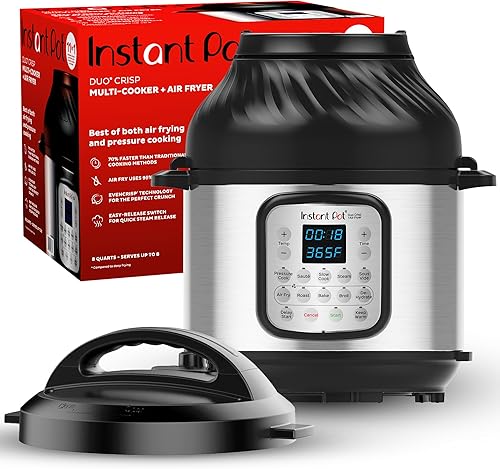

How Electric Pressure Cookers Control Pressure
Every electric pressure cooker regulates internal pressure automatically through a combination of a pressure sensor, a heating element controller, and a float valve. When pressure reaches the set level, the machine cuts or reduces heat to hold it there rather than letting it climb. This is fundamentally different from a stovetop cooker, where the heat source is external and harder to modulate precisely. The sealed lid cannot be opened while the pot is pressurized on most modern models, because the float valve physically blocks the lid-release mechanism until pressure drops. That single design feature eliminates the most common cause of accidents from older equipment.
The Backup Safety Systems
Reputable electric pressure cookers do not rely on a single safety feature. Most include a pressure-release valve that vents steam if pressure exceeds a safe ceiling, a secondary overpressure plug that blows out before the pot itself is stressed, and a lid-position sensor that prevents pressurized cooking if the lid is not locked correctly. The Instant Pot 6 qt model with 1,000 watts, rated 4.6 stars across more than 52,700 reviews at $69.99, is a good example of a unit that layers these protections into a consumer-accessible design. None of these systems require any action from the cook during normal use, they operate passively in the background.
What Can Still Go Wrong
No appliance is failure-proof, and electric pressure cookers have a few recurring issues worth knowing. The sealing ring, the silicone gasket that makes the lid airtight, can degrade or be misseated, which allows steam to escape from the rim rather than through the controlled valve. If the steam-release valve or its float valve becomes clogged with food residue, pressure readings can become inaccurate. Overfilling is the other common user error: most pots are marked with a two-thirds maximum fill line for most foods and a half-fill line for foods that expand or foam, such as beans or grains. Staying below those lines prevents food from blocking the valve.
Releasing Pressure Safely
There are two ways pressure leaves the pot: natural release, where you simply wait for the pressure to drop on its own, and quick release, where you turn the steam-release valve to vent steam rapidly. Quick release is safe for most foods but sends out a jet of hot steam, so keeping your hand and face clear of the vent is important. For soups and foods with a lot of liquid, natural release is generally recommended because quick-releasing a very full pot can cause liquid to spit out of the valve. The Instant Pot DUO NOVA 60 with a 6 qt capacity, 4.7 stars and more than 22,500 reviews at $124.55, includes a redesigned float valve meant to reduce that type of splatter.
Maintenance That Keeps the Safety Systems Working
The sealing ring should be checked before each use for cracks, deformation, or a persistent off smell that cooking cannot resolve, and replaced every 12 to 18 months under regular use. The steam-release valve and anti-block shield underneath it need to be washed after each use, since starchy or fatty foods can partially clog them over time. The inner pot itself should be free of dents or deep scratches along the rim that might prevent a complete seal. These are the maintenance steps that keep the passive safety systems functioning as designed. Most manufacturers sell replacement gaskets and valve parts as accessories.
Is an Electric Pressure Cooker Safer Than a Stovetop Model?
For most home cooks, yes. Stovetop pressure cookers reach higher maximum pressures and depend entirely on the cook to manage the heat source, which introduces more human-error risk. Electric models cap their own pressure, lock the lid during pressurized cooking, and shut off automatically when the cook time ends. The Instant Pot 8 qt model at $149.99 with 1,500 watts and a 4.7-star rating across 30,000 reviews is a widely used example of the larger-format units that handle batch cooking with the same layered safety design. The tradeoff is that electric models are bulkier and require a power outlet, but for household use those are minor constraints.
Who Should Think Carefully Before Buying One
Electric pressure cookers are straightforward to use, but they do require reading the manual and understanding the fill lines, valve positions, and lid-locking steps before the first cook. People who prefer set-it-and-forget-it simplicity with zero manual involvement may find a slow cooker less demanding. Anyone with limited grip strength or dexterity should check how much force a specific model requires to seat the lid and turn the pressure-release valve, since those steps matter for safe operation. Beyond those considerations, the safety record of modern electric pressure cookers is strong, supported by the sheer volume of satisfied long-term users visible in publicly available review data.
Frequently asked questions
Can an electric pressure cooker explode?
A properly maintained electric pressure cooker used within its fill limits is extremely unlikely to fail catastrophically. The redundant safety systems, including the overpressure plug and the pressure-release valve, are designed to vent excess pressure in a controlled way long before stress on the pot becomes dangerous. The cases where serious failures have occurred typically involved damaged components, a blocked steam valve, or deliberate misuse.
What happens if I open the lid before pressure is released?
On nearly all modern electric pressure cookers, you cannot open the lid while the pot is pressurized because the float valve physically prevents it. You must either wait for natural release or use quick release to vent the steam before the lid unlocks. This is a hardware interlock, not just a software warning, so the lid genuinely will not open until pressure has dropped to a safe level.
How do I know if my sealing ring needs to be replaced?
A sealing ring that is cracked, torn, warped, or no longer seats flat in the lid groove should be replaced immediately. A ring that has absorbed strong food odors that persist after washing is still functional but worth replacing for flavor reasons. Most manufacturers recommend replacing the ring every 12 to 18 months under regular weekly use, or sooner if you notice steam escaping from the lid rim during cooking rather than from the pressure-release valve.
Is it safe to cook beans or grains in a pressure cooker?
Yes, but these foods require you to observe the half-fill line rather than the standard two-thirds fill line, because they expand and can foam during cooking. The foam can clog the steam-release valve if the pot is overfilled. Soaking dried beans before pressure cooking also reduces foam and cooking time. Following the fill-line guidance in your manual is the key precaution for these ingredients.
Are cheap electric pressure cookers as safe as brand-name ones?
Safety certification marks such as UL or ETL on the packaging indicate that the unit has passed independent electrical and pressure safety testing, which is a meaningful minimum standard regardless of brand. That said, highly reviewed models from established brands tend to have better-documented safety track records simply because more people have used them over longer periods. Checking that any model you consider carries a recognized safety certification is a practical first step when buying.