Pressure Cooker vs Slow Cooker: Which One Do You Actually Need?
A pressure cooker uses sealed steam to cook food in a fraction of the normal time, often finishing a beef stew or dried beans in under an hour. A slow cooker does the opposite, using gentle low heat over six to ten hours to develop deep, braise-style flavors. Neither appliance is better in every situation, but understanding how each works makes the choice straightforward.


How Each Appliance Works
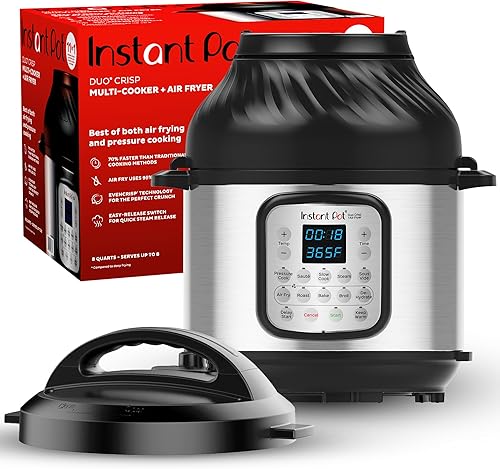
An electric pressure cooker seals its lid and builds steam pressure inside the pot, raising the boiling point of water and driving heat into food faster than any open-pot method. A slow cooker has no pressure seal at all. It holds a ceramic or metal insert at a steady low temperature, usually between 170 and 280 degrees Fahrenheit, and lets time do the work. The Instant Pot 6QT Duo Nova (rated 4.7 stars across 22,500 reviews, priced around $124.55) is a multi-cooker that handles both modes, which is useful if you want one pot to cover both styles. Pure slow cookers and pure pressure cookers each do their single job very well, while multi-cookers add flexibility at the cost of some added bulk.
Cook Time: The Biggest Practical Difference
This is where the two appliances diverge most sharply. A slow cooker pot roast takes eight to ten hours on low. The same roast in a pressure cooker takes roughly sixty to ninety minutes. Dried chickpeas that need overnight soaking and ninety minutes on the stovetop cook in thirty to forty minutes under pressure without any soaking at all. For weeknight meals where you arrive home hungry at 6 p.m., the pressure cooker is the obvious answer. For mornings when you have ten minutes to prep and want a hot meal waiting at dinnertime, the slow cooker is the appliance you want running.
Texture and Flavor Results
Pressure cooking delivers tender meat quickly, but the texture can be softer and less deeply layered than what a long braise produces. Slow cooking builds complex flavor because proteins and collagen break down gradually, and aromatics have hours to meld together. Soups and chili often taste more rounded after eight hours in a slow cooker than after forty minutes under pressure. On the flip side, vegetables stay firmer and brighter in a pressure cooker because the cook time is so short. If you want fall-apart short ribs with rich braising liquid, low and slow wins. If you want a pot of lentil soup on the table fast, a pressure cooker delivers.
Hands-On Attention and Safety
A slow cooker is the most hands-off appliance in this category. You load it, set it, and walk away for the day. Electric pressure cookers are nearly as simple, but they do require you to be present when the cook cycle ends, because the pot needs to release pressure before you open it. Modern electric models handle this automatically with a timed natural release, so the risk is low. The Instant Pot 3QT Duo, rated 4.7 stars with over 184,700 reviews at $59.99, is among the most widely used pressure cookers on the market, and its safety lid lock and auto-sealing valve are standard on almost every current electric model. Manual stovetop pressure cookers demand more attention, but electric versions are genuinely easy to use.
Which Recipes Suit Each Appliance
Pressure cookers excel at tough cuts of meat, dried legumes, stock, risotto, hard-cooked eggs, and any dish where speed matters. Slow cookers are the better tool for pot roast, pulled pork, braised greens, overnight oatmeal, bone broth, and casserole-style dishes where the long steep improves flavor. Both appliances struggle with the same few tasks: you cannot crisp or brown food under either method without a separate stovetop step. Dairy and thickeners like cornstarch generally go in at the end of the cook cycle in both cases, otherwise they can break or scorch.
Capacity, Cost, and Counter Space
Slow cookers typically range from 3 to 8 quarts and are often less expensive than equivalent pressure cookers. A solid 6-quart slow cooker can cost as little as $30 to $50. Electric pressure cookers span a similar capacity range. The Instant Pot 140-0021-01, an 8-quart model with 1500 watts rated 4.7 stars across 30,000 reviews, is priced at $149.99 and covers large-batch cooking for families or meal prep. If counter space is limited and budget is tight, a pressure cooker multi-cooker often replaces both appliances in one footprint. If you cook for two and just want something simple that tenderizes cheap cuts overnight, a basic slow cooker is the lower-cost entry.
Common mistakes to avoid
- Filling a pressure cooker past the two-thirds line with liquid or food, which can block the steam vent and cause uneven cooking.
- Opening a pressure cooker before all pressure has released, which is dangerous and leaves food undercooked.
- Setting a slow cooker on high when a recipe specifies low, which can dry out lean meats and turn vegetables to mush.
- Adding dairy like milk, cream, or sour cream at the start of a slow cooker recipe, causing it to curdle over the long cook time.
- Skipping the sear step before braising in a pressure cooker, which often results in pale, flat-tasting meat even though the texture is fine.
- Buying a large slow cooker for a one or two person household, leaving food spread too thin in the insert so it overcooks at the edges.
Frequently asked questions
Can I use a pressure cooker instead of a slow cooker for the same recipes?
Yes, but you will need to adjust cook times dramatically and expect some texture differences. A recipe that takes eight hours on low in a slow cooker often finishes in forty-five to seventy-five minutes under pressure. The flavors can be slightly less layered, but the result is usually very close. Liquid ratios also change, since pressure cookers lose almost no moisture during cooking while slow cookers allow some evaporation.
Is a pressure cooker safe to leave unattended like a slow cooker?
Electric pressure cookers are designed to be left during the cook cycle, and they switch to a keep-warm mode automatically when pressure cooking finishes. However, most manufacturers do not recommend leaving the house during a pressurized cycle, unlike slow cookers which are routinely left on all day. If you need a true all-day, leave-the-house appliance, a slow cooker is the conventional choice.
Which appliance is better for meal prep?
Pressure cookers are generally faster for batch cooking grains, beans, and large cuts of meat, so you can finish multiple components in the same afternoon. Slow cookers are better when you want to prep Sunday evening and have a ready meal waiting Monday morning. Both work well for meal prep, and many households own one of each for exactly this reason.
Do I need both, or will one cover everything?
For most home cooks, one appliance covers the majority of use cases. A pressure cooker multi-cooker like the Instant Pot Duo Nova handles both pressure cooking and slow cooking in one pot, which is the practical middle ground if you only want to buy one appliance. Dedicated single-function slow cookers are cheaper and simpler, so if slow cooking is your primary goal and speed is not a concern, a standalone slow cooker is a better value.
What size pressure cooker should I buy if I am switching from a slow cooker?
Match the capacity you already use. A 6-quart model feeds four to six people and is the most popular size for everyday cooking. If you regularly cook for two, a 3-quart model is sufficient and takes up less counter space. For batch cooking, entertaining, or larger families, an 8-quart model gives you more room without needing to split recipes across multiple batches. Contact us at hello@alluringdeals.com if you have questions about a specific model.