Air vs Oil Popcorn Popper: Honest Differences Explained
Air poppers circulate hot air around the kernels until they pop, so the finished popcorn has no added fat unless you butter it yourself afterward. Oil poppers heat a small amount of oil in a kettle or stirring pot, which coats the kernels as they pop and produces a denser, more savory result that many people prefer over plain air-popped corn. Neither type is objectively better; the right pick depends on how you eat popcorn and how much you care about cleanup.


How Each Type Works
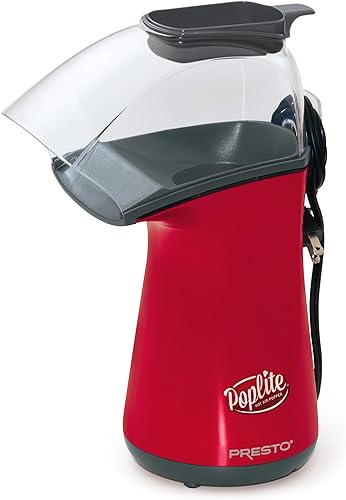
Air poppers push a stream of heated air through a chamber, and the moving air both heats the kernels and tosses them so they pop evenly. The finished corn flies out of a chute into a bowl, and no cooking surface touches the kernels directly. Oil poppers, sometimes called stirring poppers or kettle poppers, place kernels in a pot with a small amount of oil and use a heating element underneath plus a stirring rod to keep them moving so they do not scorch. The Presto 04830, rated 4.5 stars across more than 4,100 reviews, is a classic countertop air popper with a 3 qt capacity and sells around $22. The Elite Gourmet EPM330M, with over 7,200 reviews and a 4.2-star average, uses a stirring kettle design to pop with oil at a similar price of about $26.
Taste and Texture
Air-popped corn is lighter and has a thinner hull, which some people describe as almost papery without butter or seasoning. The flavor is mild, and the texture depends entirely on what you add after popping. Oil-popped corn has a slightly glossy surface that helps salt and seasoning stick without needing extra butter, and the texture is crunchier because the oil heats the hull differently than dry air does. If you regularly eat popcorn plain or with very light seasoning, air popping is a good fit. If you want something closer to what you get at a movie theater concession stand, oil popping is the closer match.
Calories and Health Considerations
An air popper adds zero fat on its own, so a plain batch contains only the calories in the corn itself, typically around 30 calories per cup before toppings. An oil popper adds whatever oil you use, usually one to three tablespoons per batch, which adds roughly 120 to 360 calories depending on the amount and oil type. The difference matters if you eat popcorn frequently as a snack or are watching fat intake, but it matters less if you are going to drizzle butter over air-popped corn anyway. One practical note: air poppers can struggle with specialty kernels or heirloom varieties that need a bit more heat contact to pop reliably.
Capacity and Speed
Most home air poppers fall in the 3 to 5 qt finished-corn range per batch. The Presto 04830 holds 3 qt and the best-selling Presto air popper (B01G7DM3G2), which has earned over 54,000 ratings at 4.4 stars and costs about $31, holds 4.5 qt, making it a solid choice for two to four people. Air poppers typically finish a batch in two to three minutes. Oil poppers are generally a bit slower because the oil needs to come up to temperature first, adding a minute or two. If you are feeding a larger group regularly, look for a machine with a 5 qt or 6 qt capacity rather than defaulting to one type over the other.
Cleanup
Air poppers are among the easiest kitchen appliances to clean because there is no oil residue and most units have removable chutes or covers that rinse quickly. A light wipe of the interior is usually all that is needed. Oil poppers require washing the kettle and stirring mechanism after each use, and oil can build up in corners if the parts are not cleaned thoroughly. Models with nonstick kettles and dishwasher-safe components reduce this burden considerably. If easy cleanup is a priority, an air popper wins by a clear margin.
Price and Value
Entry-level air poppers and oil poppers overlap in price, with many solid options available between $15 and $35. The Nordic Ware 60120 microwave popper, rated 4.6 stars across 1,400 reviews and priced around $14, is technically a third category but shows how low the price floor can go for non-oil, non-electric options. Dedicated electric oil poppers with stirring rods tend to run $25 to $70 for home models, while commercial-style kettle machines are a different product category entirely at several hundred dollars. For most households, either an air popper or a basic stirring oil popper represents good value, and neither requires spending more than $40 to get a reliable machine.
Common mistakes to avoid
- Overfilling the kernel chamber on an air popper, which causes uneven popping and a lot of unpopped kernels at the bottom of the bowl.
- Using too much oil in a stirring popper, which makes the finished corn greasy and can cause smoking or burning.
- Adding butter or salt directly into an air popper's kernel chamber, which can damage the heating element or create a fire hazard.
- Choosing a 3 qt air popper for a household of four or more people without realizing multiple batches will be needed, adding time and effort.
- Expecting oil-popped corn to be low-calorie without adjusting the amount of oil used, which defeats the purpose of cooking at home.
- Skipping the preheat step on oil poppers, which causes kernels to sit in warm oil too long before popping and leads to a stale or off flavor.
Frequently asked questions
Does air-popped popcorn taste as good as oil-popped?
Taste is personal, but most people find air-popped corn blander on its own because there is no fat to carry flavor or help seasoning stick. Adding a light drizzle of melted butter or a spritz of olive oil after popping closes much of the gap. If you season generously, air-popped corn can be just as satisfying as oil-popped for everyday snacking.
Can I use butter instead of oil in a stirring popper?
Butter is not a good substitute for oil in a popcorn popper because it has a low smoke point and contains water and milk solids that can burn before the kernels fully pop. Stick with a neutral oil such as coconut, canola, or sunflower oil that can handle the heat. You can add butter as a topping after the corn is done without any risk to the machine.
Which type is better for kids?
Air poppers are generally considered the safer and more straightforward option for households with young children because there is no hot oil and the machine runs quickly without much hands-on attention. Oil poppers involve heated oil that can splatter if the lid is opened too early, which adds a small safety consideration. Both types are countertop appliances that should be operated by an adult regardless.
How many quarts do I need for a family movie night?
A general guide is about 1 to 1.5 qt of finished popcorn per person for a casual snack. For a family of four, a 4.5 to 6 qt machine will handle a full batch in one go without needing a second run. The Presto air popper (B01G7DM3G2) at 4.5 qt handles this comfortably for most families at around $31.
Are air poppers faster than oil poppers?
Air poppers typically pop a full batch in about two to three minutes once plugged in because they heat up instantly with no preheating. Oil poppers need one to two minutes of preheat time for the oil to reach popping temperature, so total time is slightly longer. The difference is small enough that speed alone should not drive your decision between the two types.