How to Clean a Popcorn Popper
Unplug the popper and let it cool for five minutes, then wipe the interior with a damp cloth or paper towel to catch loose hulls and oil. For removable parts like bowls, butter trays, or lids, wash those by hand in warm soapy water and dry completely before reassembling. The whole process takes under ten minutes if you do it right after popping.

Know Your Popper Type Before You Start
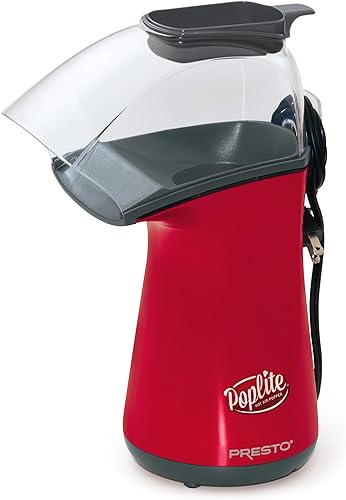
Air poppers and oil poppers need different approaches. Air poppers like the Presto (B01G7DM3G2), which has a 4.5 qt plastic body and over 54,000 ratings, circulate hot air and collect very little grease, so cleanup is mostly about loose hulls and dust. Oil poppers and countertop machines with a kettle or bowl use cooking oil, which means grease buildup is the main concern. Knowing which type you own tells you whether soap is necessary at all or just optional. Check your manual for a parts diagram before the first clean so you know exactly what comes apart.
Daily Cleaning: After Every Use
Unplug the machine and give it five minutes to cool down enough to handle safely. Remove the popping chamber, lid, or bowl if those parts detach on your model. Shake loose hulls into the trash, then wipe the interior surfaces with a barely damp cloth. A dry pastry brush or soft-bristle paintbrush works well for getting into the chute or vents on air poppers. For the outer shell, a dry or very lightly damp cloth is all you need. Never spray water or cleaner directly into the motor housing or heating element area.
Washing Removable Parts by Hand
Most bowls, lids, and butter trays are plastic or light metal and wash well in warm water with a drop of dish soap. The Elite Gourmet EPM330M, a 3 qt model with a plastic and stainless steel body rated 4.2 stars across more than 7,000 reviews, has a removable butter warming tray that benefits from a quick soap wash every few uses to prevent rancid oil buildup. Rinse parts thoroughly so no soap residue transfers to your next batch of popcorn. Dry every piece completely with a clean towel before putting the popper back together, since trapped moisture near the heating element is a hazard.
Deep Cleaning Oil and Grease Buildup
If you notice a yellowish or sticky film inside the popping chamber, mix equal parts white vinegar and warm water and apply it with a cloth or sponge. Let the solution sit on the residue for two to three minutes before wiping. For stubborn spots on metal or stainless steel surfaces, a paste of baking soda and a few drops of water applied with a soft cloth works without scratching. Avoid abrasive pads or steel wool on any part of the machine because they scratch plastic and dull stainless finishes. Rinse with a clean damp cloth and dry right away.
Cleaning Microwave and Silicone Poppers
Silicone poppers like the Cuisinart CPM-150C, a 3.7 qt model at $75.17 with 924 reviews and a 3.9 star rating, are the easiest to clean because silicone is non-stick and fully washable. Turn the silicone bowl inside out to knock out hulls, then wash by hand with dish soap and warm water. Most silicone models are top-rack dishwasher safe, but confirm with your manual first since lids or vented caps sometimes have different care instructions. Let the bowl dry open before folding it back into storage shape so moisture does not get trapped in the folds.
What to Do About Stubborn Odors
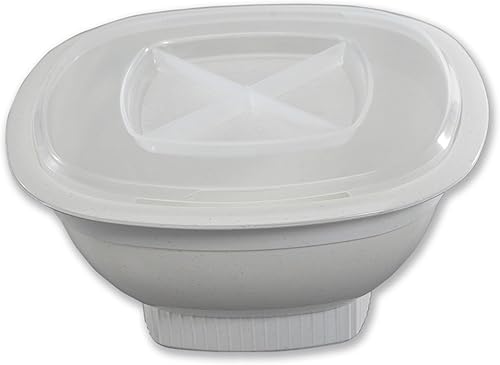
Stale oil and old hulls are the two most common sources of popcorn popper odors. A thorough wash of all removable parts usually solves it, but if the smell persists, place a small bowl of baking soda inside the closed popper overnight to absorb odors. Running the empty air popper for two minutes after cleaning also helps vent out lingering smells, as long as you do it in a ventilated space. Store your popper with the lid slightly ajar if possible, since sealing it when slightly damp encourages mildew. The Nordic Ware 60120, a 3 qt, 1 lb plastic model rated 4.6 stars across 1,400 reviews, is compact enough to store upside down with the vent open, which keeps air circulating between uses.
Common mistakes to avoid
- Putting plastic popper parts in the dishwasher without checking the manual first, which warps bowls and lids.
- Using a soaking-wet cloth near the motor base or heating element, which risks electrical damage.
- Skipping the butter tray for weeks, letting rancid oil build up into a sticky residue that is hard to remove.
- Using steel wool or abrasive scrubbers on plastic or stainless steel surfaces, leaving permanent scratches.
- Reassembling the popper before all parts are fully dry, trapping moisture that can cause mold or short the heater.
- Waiting until the popper is fully cooled and the oil has hardened before wiping, which doubles the cleaning time.
Frequently asked questions
Can I put my popcorn popper in the dishwasher?
It depends on the model. Most plastic bowls and lids are marked dishwasher safe on the bottom, but the motor base and any electrical parts must never go in the dishwasher. Silicone poppers are generally top-rack safe. When in doubt, hand washing with warm soapy water is the safe default and takes only a minute or two.
How often should I deep clean my popcorn popper?
A quick wipe after every use keeps most residue from building up. A deeper clean with vinegar solution or baking soda paste is worth doing every four to six uses, or any time you notice a greasy film or off smell. If you pop corn with oil rather than using an air popper, clean more frequently because oil goes rancid faster than plain heat residue.
What is the safest way to clean inside the heating chute of an air popper?
A dry pastry brush or a small, soft-bristle paintbrush is the safest tool for reaching inside the heating chute. Brush loosened hulls toward the opening, then flip the popper upside down over the trash to shake them out. Never insert anything wet or metal into the chute, and never spray cleaner into it.
Why does my popcorn popper smell bad even after cleaning?
Old oil residue is usually the culprit, even when surfaces look clean. Check the butter warming tray and any crevices around the lid hinge where oil collects. A wipe with a cloth dampened with white vinegar cuts through oil film and neutralizes the smell. Storing the popper sealed in a cabinet while still slightly damp can also cause a mildew odor, so always air dry fully before storing.
Is it safe to use dish soap inside the popping chamber?
Yes, a small amount of dish soap on a damp cloth is fine for the popping chamber and interior bowl as long as you rinse thoroughly with a clean damp cloth afterward. The concern is not the soap itself but any residue left behind, which can produce off flavors in the next batch. Wipe the soaped surface at least twice with a clean damp cloth to make sure no soap film remains.