How to Clean a Rice Cooker
To clean a rice cooker, remove the inner pot and wash it with warm soapy water, wipe the interior body and lid with a damp cloth, and gently scrub the heating plate with a dry brush if any residue has collected there. Most inner pots are not dishwasher-safe even when the manual is silent on the subject, so hand washing is the safest default. A five-minute soak in warm water is usually enough to loosen stuck rice without any scrubbing at all.

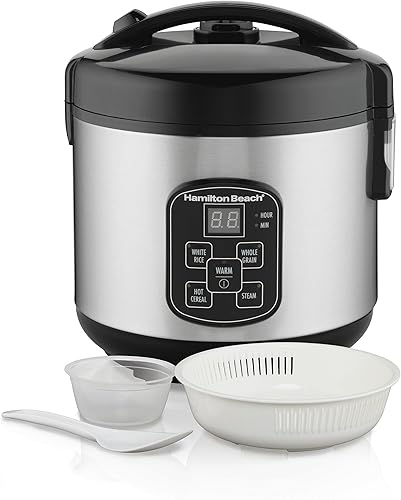

What You Need Before You Start
Gather a soft sponge or cloth, a small soft-bristle brush (an old toothbrush works well), mild dish soap, and a dry microfiber towel. Avoid steel wool, abrasive scrub pads, or anything with grit, because even a single pass can scratch a non-stick inner pot and make rice stick worse over time. If you have a model with a stainless steel inner pot, such as the Imusa GAU-00028 (4.6 stars across 8,800 reviews), you have a bit more margin with a slightly firmer sponge, but gentle is still the right call. Keep a cotton swab handy for cleaning the steam vent and any narrow crevices on the lid.
Cleaning the Inner Pot
Lift the inner pot out and rinse it immediately after the rice has been served, while residue is still soft. Fill it halfway with warm water, add a drop of dish soap, and let it soak for five minutes. Then wipe the interior with a soft sponge using light circular strokes, paying extra attention to the bottom edge where cooked starch tends to collect. Rinse thoroughly and dry with a clean towel before setting it aside. For a stainless steel pot like the one in the Hamilton Beach 37518MN (4.4 stars, 20,600 reviews, 2 qt capacity, 400 W), a white-vinegar rinse once a week will remove any mineral film left by hard water.
Wiping the Body and Lid
The outer body and inner lid should never go underwater or into a dishwasher because they contain electrical components or seals that water can damage. Dampen a cloth with plain water or a very dilute soap solution, wring it out well, and wipe all reachable surfaces inside the housing. Pay close attention to the underside of the lid, where condensed steam deposits a thin film of starch over time. If your model has a removable lid gasket or inner lid panel, detach it and wash that piece separately in the sink. Dry every surface before reassembling.
Cleaning the Heating Plate
The heating plate sits at the bottom of the cooker body and is the part most people ignore. Rice bits or starchy water that drip past the inner pot will burn onto it during the next cook cycle and create odors. Use a dry or barely damp soft brush to sweep away any loose residue. For stubborn, baked-on spots, dampen a cloth with white vinegar, press it against the spot for two minutes to soften the starch, then wipe clean. Never pour liquid directly onto the heating plate and never use soap there, because soap residue on a heating element can smoke on the next use.
Dealing with Stubborn Odors
A faint sour or musty smell usually means starch or moisture sat in the pot too long after cooking. Fill the inner pot with a mixture of one cup of water and two tablespoons of white vinegar, run a short cook cycle, then discard the liquid and wash as normal. For lingering odors in the body or lid, place a small bowl of baking soda inside the closed cooker overnight to absorb the smell. The Cosori CRC-R501-KUS (4.8 stars, 5,400 reviews, 2.5 qt, 1000 W, stainless steel) has a vented lid design that reduces steam buildup inside the body, which makes odor less of an issue in the first place. Still, running a vinegar cycle every month is good practice on any machine.
How Often to Clean Each Part
The inner pot should be washed after every single use, no exceptions. The lid and body need a wipe-down at least once a week for daily users, or every three to four cooks for occasional users. The heating plate only needs attention when you notice visible residue or smell burning at the start of a cook cycle. A full deep clean, including the steam vent and any removable parts, is worth doing once a month. Staying on this schedule prevents buildup from reaching the point where soaking or heavy scrubbing becomes necessary.
Common mistakes to avoid
- Putting the inner pot in the dishwasher, which strips non-stick coating and warps thinner aluminum pots over time.
- Scrubbing the heating plate with a wet cloth or soap, which can leave residue that smokes or causes a short.
- Skipping the lid when wiping down, letting starch film harden into a sticky layer that is hard to remove later.
- Soaking the entire cooker body in water instead of just the removable inner pot.
- Using abrasive pads or steel wool on any surface, including stainless steel pots, which creates micro-scratches that trap starch.
- Storing the cooker with the lid closed while still warm and damp, which traps moisture and leads to mildew smell.
Frequently asked questions
Can I put my rice cooker inner pot in the dishwasher?
Most manufacturers advise against it, even for stainless steel pots. The high heat and harsh detergents in a dishwasher accelerate wear on non-stick surfaces and can cause discoloration or warping on thinner pots. Hand washing with warm soapy water takes under two minutes and keeps the pot in better shape long term.
How do I remove burned rice stuck to the bottom of the pot?
Fill the pot with enough warm water to cover the burned area and let it soak for 15 to 30 minutes. The water softens the starch bond and the stuck rice usually wipes away with a sponge and no real effort. If residue remains, add a small splash of white vinegar to the soaking water and wait another five minutes before wiping.
Is it safe to use vinegar to clean a rice cooker?
Yes, diluted white vinegar is safe for the inner pot, lid, and body surfaces. It dissolves mineral deposits and kills the bacteria responsible for sour odors. Avoid using vinegar directly on the heating plate or any exposed metal contacts inside the cooker body.
My rice cooker smells like burning after cleaning. What went wrong?
A burning smell almost always means some moisture or soap residue reached the heating plate or the electrical area beneath it. Unplug the unit and let it air dry with the lid open for several hours before using it again. If the smell continues after a full dry-out, inspect the heating plate for any dark residue and wipe it gently with a dry cloth.
How do I clean the steam vent on my rice cooker?
Remove the steam vent cap if it detaches, which most do, and rinse it under running water. Use a cotton swab or a toothpick to clear any blocked holes. Reattach only when fully dry. A clogged vent slows the pressure release and can cause the lid to rattle or spatter during cooking, so it is worth checking every two weeks.