Do You Need a Vacuum Sealer for Sous Vide?
No, a vacuum sealer is not required for sous vide cooking. A heavy-duty zip-lock bag pressed airtight using the water-displacement method works well for most cuts of meat, fish, and vegetables. A vacuum sealer becomes genuinely useful when you cook frequently, need longer fridge or freezer storage, or want the tightest possible contact between the bag and food for thick, dense proteins.


How Sous Vide Actually Uses the Bag
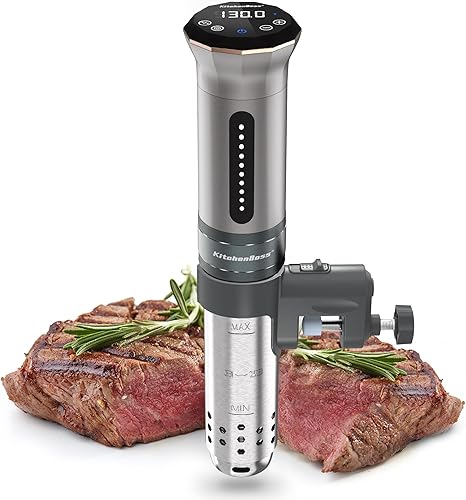
Sous vide machines, like the Monoprice 121594 (800 W, 4.2 stars across 657 reviews) or the KitchenBoss G300 (1100 W, 4.5 stars across 2,255 reviews), circulate water at a precise temperature around whatever container holds your food. The bag's job is to keep water out and hold the food in contact with its own juices and any seasoning you add. Air pockets inside the bag are the real enemy, because they act as insulators and cause the food to float, keeping parts of it out of the water. Removing as much air as possible is the goal, and that is achievable with or without a dedicated vacuum sealer.
The Water-Displacement Method: What It Can and Cannot Do
To use a zip-lock bag, seal all but one corner, submerge the bag slowly in water, and let the water pressure push air out before sealing the last inch. The method works remarkably well for most proteins and vegetables cooked the same day or within a day or two. Where it falls short is with very fatty or oily foods: fat floats, and the bag can trap small air pockets around marbled cuts. Bags used this way also cannot safely stay in the fridge longer than two to three days before cooking, because a small amount of residual air accelerates oxidation.
When a Vacuum Sealer Is Worth Buying
A vacuum sealer earns its counter space in a few specific situations. If you batch-cook on weekends and want to store sealed bags in the fridge for four to five days or in the freezer for months, vacuum sealing significantly extends safe storage life. Thick cuts, like a two-inch ribeye or a whole chicken breast, benefit from the tighter bag-to-food contact that a vacuum creates, because every millimeter of the surface gets even heat exposure. Cooks who do sous vide more than once a week also find that a vacuum sealer saves time compared to fussing with the water-displacement method bag after bag.
Bag Type Matters as Much as the Sealing Method
Not every zip-lock bag is appropriate for sous vide. Thin sandwich bags are not rated for warm water and can leach plasticizers or fail at the seal. Use bags specifically rated for freezer use, which have thicker walls and more heat-resistant seals. BPA-free designations are worth looking for. The Yedi Houseware GV024 (1000 W, 4.6 stars across 1,350 reviews, around $88.94) and similar immersion circulators work fine at the temperatures those bags are rated for, generally up to around 185 degrees F. If you are cooking at higher temperatures for long periods, a vacuum sealer with proper sous vide bags gives you more peace of mind.
Reusable Silicone Bags: A Middle Option
A growing number of cooks use reusable silicone bags as a middle path between disposable zip-locks and buying a vacuum sealer. Silicone bags tolerate sous vide temperatures well, seal tightly when pressed flat, and can be cleaned and reused. They cost more up front than a box of zip-locks but less than most vacuum sealers. The main limitation is that they do not achieve a true vacuum, so they are best for short cooks of one to four hours rather than long overnight sessions.
The Bottom Line on Vacuum Sealers for Sous Vide
Start with heavy-duty zip-lock bags and the water-displacement method. That approach handles steaks, chicken, fish, eggs, and most vegetables without any extra equipment. Once sous vide becomes a regular habit, typically more than two or three times a week, a vacuum sealer starts to make sense from a convenience and food-safety standpoint. The investment is not in getting better results on a single cook, it is in making the whole workflow faster and extending how long you can hold prepped bags safely.
Common mistakes to avoid
- Using thin sandwich bags instead of heavy-duty freezer bags, which can fail at the seams in warm water.
- Leaving large air pockets in the bag, which causes food to float and cook unevenly.
- Assuming a vacuum sealer alone fixes every sous vide problem, when temperature accuracy and cook time matter more.
- Storing water-displacement-sealed bags in the fridge for more than two to three days before cooking.
- Using the wrong bag type with a vacuum sealer, such as standard storage bags instead of bags rated for vacuum sealing.
- Skipping the water-displacement step and just pressing the bag flat by hand, which leaves more air than the submersion method.
Frequently asked questions
Can I use regular zip-lock bags for sous vide?
Yes, as long as you use heavy-duty freezer-rated bags, not thin sandwich bags. Freezer bags have thicker walls and more durable seals that hold up in warm water. Use the water-displacement method to remove as much air as possible before sealing, and avoid cooking above the temperature the bag manufacturer rates it for.
Does a vacuum sealer improve sous vide results?
For most everyday cooks, the difference in finished food quality between a vacuum-sealed bag and a properly vented zip-lock is small. Where vacuum sealing helps most is with very thick cuts, where tighter contact along the full surface produces more even cooking, and with long storage before or after cooking.
How long can I store sous vide bags in the fridge before cooking?
Water-displacement zip-lock bags are best cooked within one to two days of sealing. Vacuum-sealed bags can be safely refrigerated for four to five days or frozen for several months, making them much more useful for meal prepping ahead of time.
Are silicone bags a good alternative to vacuum sealers?
Silicone bags are a solid middle ground for cooks who want to avoid disposables but are not ready to buy a vacuum sealer. They seal well enough for cooks under four hours and tolerate typical sous vide temperatures. They do not achieve a true vacuum, so they are not ideal for multi-day fridge storage or very long cooks.
What should I look for in a sous vide machine if I plan to skip a vacuum sealer?
Look for strong water circulation and precise temperature control, since even heat distribution matters more when your bags are not vacuum sealed and air pockets are harder to eliminate. Machines like the KitchenBoss G300, rated 4.5 stars across over 2,255 reviews, circulate water actively enough to compensate for minor bag imperfections. Check that the clamp or mount holds the bag firmly below the waterline throughout the cook.