How to Clean a Slow Cooker
To clean a slow cooker, remove the insert and lid, wash both with warm soapy water or in the dishwasher if they are dishwasher-safe, and wipe the heating base with a damp cloth. Most stuck-on food comes off after a short soak, no scrubbing required. The key is to never submerge the base and to let everything dry fully before reassembling.
What You Can and Cannot Put in the Dishwasher
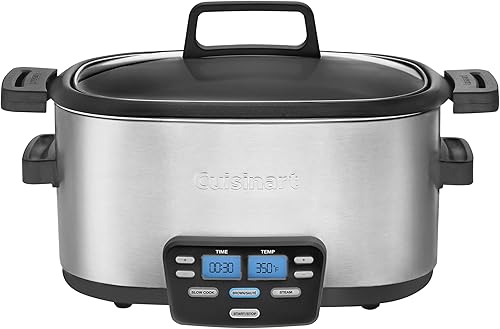
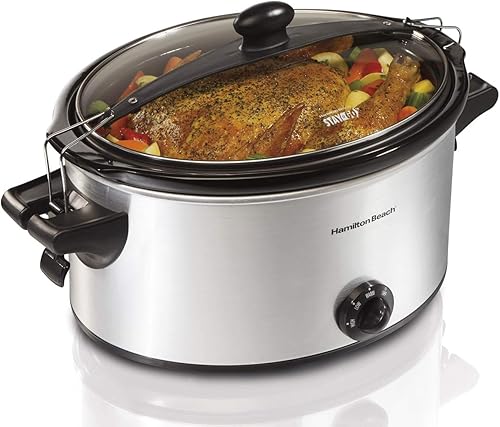
Most modern slow cooker inserts and glass lids are dishwasher-safe, but always check your manual first. Stoneware and ceramic inserts, like the one in the Cuisinart MSC-600NAS (rated 4.4 stars across 6,600 reviews), typically go on the top rack only. The Hamilton Beach 33262, a 6-quart stainless steel model priced around $67, has a removable insert that most owners wash in the dishwasher without issue. The heating base, cord, and any electronic controls must never go in the dishwasher or be submerged in water. When in doubt, hand-washing is always the safe choice.
How to Hand-Wash the Insert and Lid
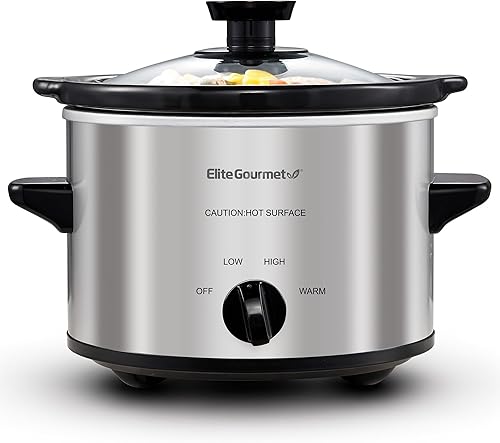
Fill the sink with warm water and a few drops of dish soap, then set the insert and lid in to soak for 15 to 20 minutes. For the Elite Gourmet MST-250XS, a 1.5-quart insert that weighs only 4.8 pounds and has earned over 39,000 ratings at 4.6 stars, a quick soak is usually all it takes since the small capacity means less surface area for food to cling to. Use a soft sponge or nylon brush to scrub the inside, then rinse well and let air dry. Avoid steel wool or abrasive pads, which scratch ceramic and stoneware glazes and make them harder to clean over time.
Removing Stuck-On Food and Stains
If food has baked onto the insert, fill it halfway with warm water and a squirt of dish soap, then set it back on the base and run the slow cooker on low for 1 to 2 hours. This loosens almost everything without any scrubbing. For mineral deposits or discoloration, a paste of baking soda and water applied for 10 minutes works well. White vinegar helps cut grease and deodorize at the same time. Rinse the insert thoroughly after any of these methods so the flavors do not carry over to your next meal.
Cleaning the Heating Base and Exterior
Unplug the slow cooker and let it cool before cleaning the base. Wipe the exterior with a damp cloth or a cloth lightly dampened with a mild all-purpose cleaner. Pay attention to the rim where the insert sits, since drips and spills collect there and can burn on during the next use. A cotton swab or toothpick helps clear food from seams around buttons and control knobs. Never spray cleaners directly onto the base, and never use the cooker again until the base is fully dry.
How Often to Clean Your Slow Cooker
Wash the insert and lid after every use. Even small amounts of leftover liquid or fat can develop off odors if left overnight. The heating base only needs wiping down when you see visible splatters or drips, which is usually every few uses. A deeper clean with baking soda or vinegar once a month keeps stains from building up and extends the life of the glaze on ceramic inserts. Storing the slow cooker with the lid slightly ajar also helps prevent musty odors from trapped moisture.
Tips for Easier Cleanup Before You Cook
Spraying the insert lightly with non-stick cooking spray before adding ingredients makes cleanup noticeably faster. Slow cooker liners, which are thin plastic bags that fit inside the insert, take cleanup down to almost nothing since you just lift the liner and toss it. These liners work well with most round and oval inserts. If you are using a model with a stainless steel insert, a thin coat of oil also prevents discoloration from high-acid ingredients like tomatoes. Small habits before cooking save real time at the sink afterward.
Common mistakes to avoid
- Submerging the heating base in water, which damages the electrical components and creates a safety hazard.
- Adding cold water to a hot ceramic insert, which can cause the stoneware to crack from thermal shock.
- Using steel wool or abrasive scrubbers, which scratch the glaze and make the insert stick more over time.
- Skipping a soak and going straight to heavy scrubbing, which rarely works better and risks damaging the surface.
- Leaving the lid on while storing a damp insert, which traps moisture and leads to mildew or musty smells.
- Putting a stoneware insert in the dishwasher before confirming it is rated dishwasher-safe in the manual.
Frequently asked questions
Can I put my slow cooker insert in the dishwasher?
Many ceramic, stoneware, and stainless steel inserts are dishwasher-safe, but only on the top rack and only when confirmed in the owner's manual. Glass lids are also usually top-rack safe. The heating base and cord are never dishwasher-safe and should only be wiped clean with a damp cloth.
How do I get rid of a burnt smell in my slow cooker?
Fill the insert with equal parts water and white vinegar, then run the cooker on low for one hour. Discard the liquid, wash the insert with dish soap, and rinse well. Baking soda paste left on the inside for 15 minutes also absorbs odors effectively. Repeat once if the smell lingers.
Is it safe to clean my slow cooker with baking soda?
Yes. Baking soda is mild enough for ceramic, stoneware, and stainless steel inserts and will not scratch the surface. Mix it with a small amount of water to form a paste, apply it to stained areas, let it sit for 10 to 15 minutes, then rinse thoroughly. Avoid using it with vinegar at the same time since the fizzing neutralizes both ingredients before they can work.
Why does my slow cooker smell bad even after washing?
Lingering odors usually mean food residue is trapped in small cracks in a worn glaze, in the seam under the lid rim, or in the base itself from spills that worked their way inside. A vinegar soak in the insert and a careful wipe of the rim and base vents usually resolves it. If the odor persists after multiple cleanings, the insert glaze may be degraded and worth replacing.
Can I use the slow cooker to clean itself?
Yes, and it works well. Add warm water and a small amount of dish soap to the insert, place it back in the base, and run it on low for one to two hours. The heat softens stuck-on food so it lifts off with a light wipe. Rinse the insert well afterward so no soap remains before your next cook.