Slow Cooker vs Pressure Cooker: Which One Belongs in Your Kitchen?
Slow cookers cook food at low heat, typically 170 to 280 degrees F, over 4 to 10 hours, which is ideal for set-it-and-forget-it meals. Electric pressure cookers trap steam to raise internal pressure, cutting the same cook times down to 20 to 60 minutes. Neither appliance is universally better. The right pick depends on your schedule, the cuts of meat you cook most often, and whether you want deeply developed flavor or fast weeknight results.
How Each Appliance Actually Works
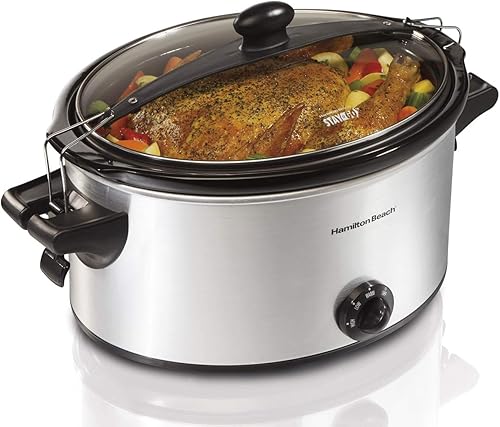
A slow cooker is a sealed ceramic or metal pot with a low-wattage heating element wrapped around the outside. The Hamilton Beach 33262, rated 4.6 stars across 812 reviews, uses only 150 watts to hold a steady low temperature across its 6-quart stainless steel insert. That gentle, sustained heat breaks down collagen in tougher cuts without drying them out. An electric pressure cooker works differently: it seals completely and heats liquid until steam builds pressure inside the pot, typically reaching 10 to 15 PSI, which raises the boiling point of water and speeds cooking dramatically. The two methods produce different textures, not just different cook times.
Cook Time Compared
A pot roast that takes 8 hours on low in a slow cooker typically takes 60 to 90 minutes in a pressure cooker. Dried beans go from overnight soak plus 90 minutes of simmering to roughly 25 minutes under pressure with no soaking at all. Slow cookers require no supervision once started, so you can leave the house. Pressure cookers require someone nearby because the pot must reach pressure, cook, and then depressurize, and that full sequence needs monitoring. For weekday meal prep done in the morning before work, slow cookers are hard to beat. For a forgotten dinner plan at 6 p.m., a pressure cooker is the better rescue tool.
Flavor and Texture Differences
Low, slow heat gives braised dishes a silky, pull-apart texture because collagen has hours to convert to gelatin. Flavor compounds from aromatics like onions, garlic, and herbs have time to meld into the liquid, producing a deeper, more unified taste. Pressure cooking is faster but can produce a blunter flavor profile because the rapid steam environment does not allow the same gradual reduction. Pressure-cooked chicken thighs tend to be moist but less intensely flavored than slow-cooked ones. For soups and stews where you want concentrated flavor, slow cookers usually produce a richer result. For dishes where speed matters and texture is forgiving, such as rice dishes or lentil soups, a pressure cooker is perfectly capable.
What Each Appliance Does Best
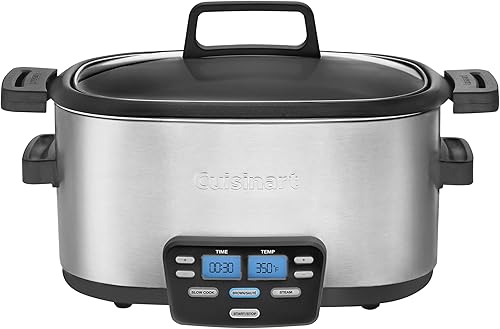
Slow cookers excel at tough, inexpensive cuts like chuck roast, pork shoulder, and chicken thighs, as well as chilis, soups, and dips that benefit from all-day cooking. They are also useful for keeping food warm at a party or potluck. The Cuisinart MSC-600NAS, a 6-quart stainless steel model rated 4.4 stars by 6,600 buyers, even adds browning and steaming functions for more versatile cooking in a single pot. Pressure cookers are better for cooking dried beans quickly, making stock in under an hour, cooking dense vegetables like beets or potatoes in minutes, and speeding up grains like brown rice. If you regularly cook both kinds of dishes, some electric multi-cookers offer both modes in one unit.
Size and Capacity Considerations
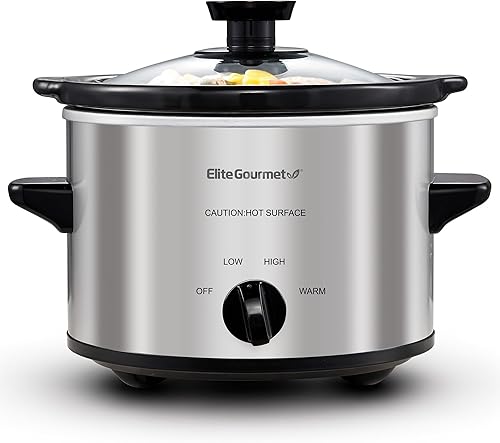
Slow cookers range from 1.5 quarts, useful for dips, sauces, or a single serving, up to 10 quarts for large families or batch cooking. The Elite Gourmet MST-250XS is a 1.5-quart model priced at $15.99 with a 4.6-star rating from over 39,000 buyers, making it a proven entry point for smaller households or first-time buyers. Pressure cookers in the electric format are typically sold in 6-quart and 8-quart sizes. A 6-quart model handles most family meals, while 8 quarts is better for batch cooking stock or large cuts. Keep in mind that pressure cookers must not be filled more than two-thirds full, so a labeled 6-quart cooker has closer to 4 quarts of usable space for most recipes.
Which One Should You Buy?
Buy a slow cooker if you want low-maintenance meals that cook while you are away, you prefer deeply braised textures, or your budget is tight. Slow cookers frequently cost $20 to $70 for reliable models. Buy a pressure cooker if you need speed, cook dried legumes often, or want one appliance that can also saute, steam, and keep food warm. If you cook for a family of four or more and want to tackle both scenarios, a 6-quart multi-cooker with both slow-cook and pressure-cook modes is a reasonable investment. If you can only own one appliance and your schedule is unpredictable, the pressure cooker is the more flexible daily driver.
Common mistakes to avoid
- Filling a slow cooker less than half full, which causes food to dry out and overcook at the edges since slow cookers need mass to regulate temperature.
- Overfilling a pressure cooker past the two-thirds line, which blocks steam vents and prevents the pot from reaching safe operating pressure.
- Lifting the slow cooker lid during cooking. Each time you remove the lid, you lose 20 to 30 minutes of cook time as the pot reheats.
- Adding dairy or tender vegetables like zucchini at the start of a slow cooker recipe. These ingredients break down and turn grainy or mushy over long cook times. Stir them in during the last 30 minutes.
- Skipping the liquid in a pressure cooker. Without at least one cup of water or broth, the pot cannot build steam, and the food will scorch on the bottom.
- Choosing a slow cooker with a timer that shuts off completely instead of switching to warm, which leaves food sitting unheated if you are away longer than planned.
Frequently asked questions
Can I use a slow cooker recipe in a pressure cooker?
Yes, but you need to cut the cook time drastically, typically to about one-quarter of the slow cooker time, and make sure there is enough liquid to generate steam. A 6-hour slow cooker chicken stew usually needs only 15 to 20 minutes at high pressure. Thickeners like cornstarch or flour should be added after pressure cooking, not before, since the high heat can cause them to clump or scorch.
Is a slow cooker cheaper to run than a pressure cooker?
Slow cookers use low wattage, often 150 to 320 watts, but run for many hours, so the total energy per meal is modest. The Hamilton Beach 33262 draws only 150 watts across a 6-quart stainless steel pot. Electric pressure cookers use more wattage during the heat-up phase but finish in a fraction of the time, so overall energy consumption is comparable. Neither appliance will add noticeably to your electricity bill compared to a conventional oven.
Which is safer: a slow cooker or an electric pressure cooker?
Both are designed with safety in mind and are safe when used as directed. Slow cookers have no pressurized steam, so there is no risk of a pressure-related release. Modern electric pressure cookers have multiple safety mechanisms including locking lids and automatic pressure-release systems that prevent the lid from opening while under pressure. Follow the fill-line guidelines for both appliances and read the manual before first use.
Do I need both a slow cooker and a pressure cooker?
Many cooks get along fine with just one. A slow cooker is the better single purchase if you prioritize simplicity and low cost. A multi-cooker with both pressure and slow cook modes is worth considering if you want flexibility without buying two separate appliances. If you cook a high volume of soups, braises, and beans across the week, owning both gives you more scheduling options, but it is not essential for most households.
Can a slow cooker replace a pressure cooker for cooking beans?
A slow cooker can cook dried beans, but it takes 6 to 8 hours on high versus 25 to 30 minutes in a pressure cooker. There is also an important safety note: kidney beans contain a toxin called phytohaemagglutinin that must be destroyed by boiling. Slow cookers do not reach a full boil, so kidney beans should always be boiled on the stovetop for at least 10 minutes before going into a slow cooker. Canned beans are already safe and work well in either appliance without any pre-cooking.